

Project
Mitchell Gilbert for AIDA.
Protecting the health of La Oroya's residents from toxic pollution
For more than 20 years, residents of La Oroya have been seeking justice and reparations after a metallurgical complex caused heavy metal pollution in their community—in violation of their fundamental rights—and the government failed to take adequate measures to protect them.
On March 22, 2024, the Inter-American Court of Human Rights issued its judgment in the case. It found Peru responsible and ordered it to adopt comprehensive reparation measures. This decision is a historic opportunity to restore the rights of the victims, as well as an important precedent for the protection of the right to a healthy environment in Latin America and for adequate state oversight of corporate activities.
Two years after the Court issued its ruling, its implementation remains in the early stages, with minimal progress, due primarily to the Peruvian government’s lack of political will and its constant shifting of arguments to delay the process.
Read the full ruling of the Inter-American Court (in Spanish).
Read the official summary of the ruling (in Spanish).
Background
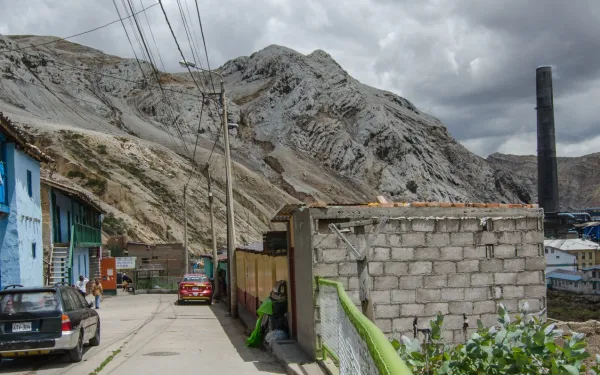
La Oroya is a small city in Peru’s central mountain range, in the department of Junín, about 176 km from Lima. It has a population of around 30,000 inhabitants.
There, in 1922, the U.S. company Cerro de Pasco Cooper Corporation installed the La Oroya Metallurgical Complex to process ore concentrates with high levels of lead, copper, zinc, silver and gold, as well as other contaminants such as sulfur, cadmium and arsenic.
The complex was nationalized in 1974 and operated by the State until 1997, when it was acquired by the US Doe Run Company through its subsidiary Doe Run Peru. In 2009, due to the company's financial crisis, the complex's operations were suspended.
Decades of damage to public health
The Peruvian State - due to the lack of adequate control systems, constant supervision, imposition of sanctions and adoption of immediate actions - has allowed the metallurgical complex to generate very high levels of contamination for decades that have seriously affected the health of residents of La Oroya for generations.
Those living in La Oroya have a higher risk or propensity to develop cancer due to historical exposure to heavy metals. While the health effects of toxic contamination are not immediately noticeable, they may be irreversible or become evident over the long term, affecting the population at various levels. Moreover, the impacts have been differentiated —and even more severe— among children, women and the elderly.
Most of the affected people presented lead levels higher than those recommended by the World Health Organization and, in some cases, higher levels of arsenic and cadmium; in addition to stress, anxiety, skin disorders, gastric problems, chronic headaches and respiratory or cardiac problems, among others.
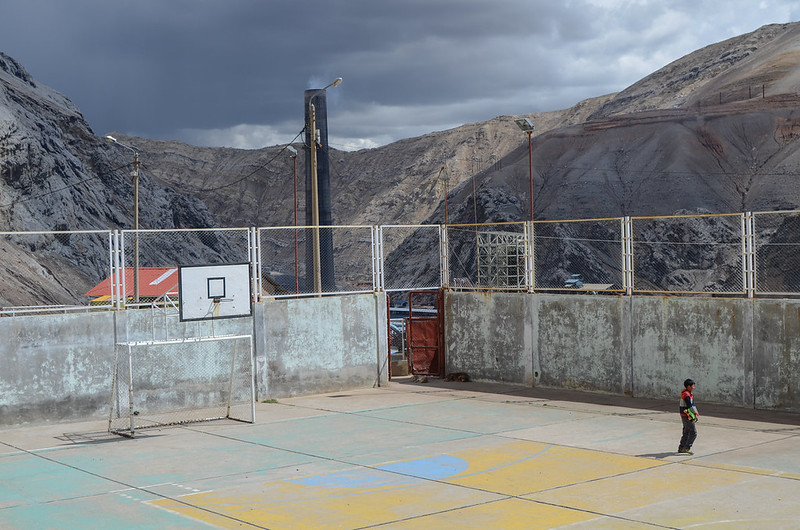
Photo: Mitchell Gilbert for AIDA.
The search for justice
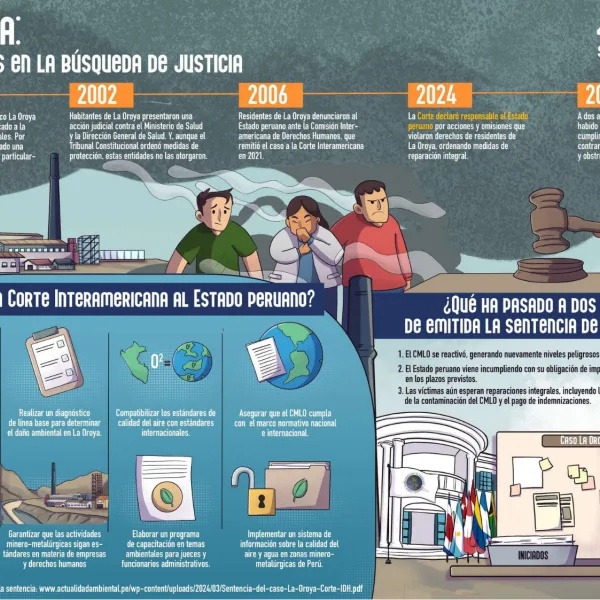
Over time, several actions were brought at the national and international levels to obtain oversight of the metallurgical complex and its impacts, as well as to obtain redress for the violation of the rights of affected people.
AIDA became involved with La Oroya in 1997 and, since then, we’ve employed various strategies to protect public health, the environment and the rights of its inhabitants.
In 2002, our publication La Oroya Cannot Wait helped to make La Oroya's situation visible internationally and demand remedial measures.
That same year, a group of residents of La Oroya filed an enforcement action against the Ministry of Health and the General Directorate of Environmental Health to protect their rights and those of the rest of the population.
In 2006, they obtained a partially favorable decision from the Constitutional Court that ordered protective measures. However, after more than 14 years, no measures were taken to implement the ruling and the highest court did not take action to enforce it.
Given the lack of effective responses at the national level, AIDA —together with an international coalition of organizations— took the case to the Inter-American Commission on Human Rights (IACHR) and in November 2005 requested measures to protect the right to life, personal integrity and health of the people affected. In 2006, we filed a complaint with the IACHR against the Peruvian State for the violation of the human rights of La Oroya residents.
In 2007, in response to the petition, the IACHR granted protection measures to 65 people from La Oroya and in 2016 extended them to another 15.
Current situation
To date, the protection measures granted by the IACHR are still in effect. Although the State has issued some decisions to somewhat control the company and the levels of contamination in the area, these have not been effective in protecting the rights of the population or in urgently implementing the necessary actions in La Oroya.
Although the levels of lead and other heavy metals in the blood have decreased since the suspension of operations at the complex, this does not imply that the effects of the contamination have disappeared because the metals remain in other parts of the body and their impacts can appear over the years. The State has not carried out a comprehensive diagnosis and follow-up of the people who were highly exposed to heavy metals at La Oroya. There is also a lack of an epidemiological and blood study on children to show the current state of contamination of the population and its comparison with the studies carried out between 1999 and 2005.
In March 2024, the La Oroya Metallurgical Complex resumed operations and is currently once again causing pollution levels in the city that exceed those recommended by the World Health Organization.
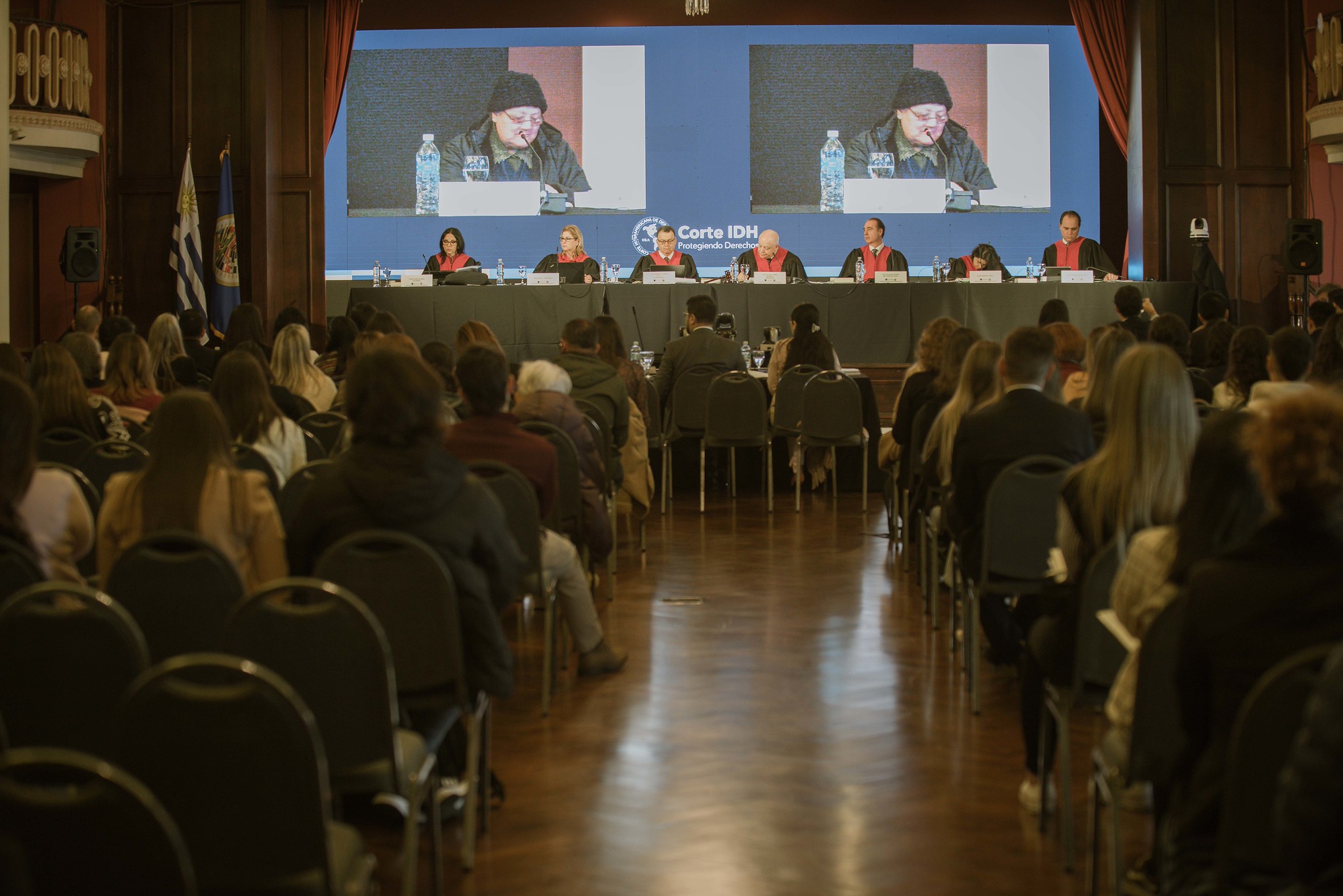
Photo: Inter-American Court of Human Rights.
The case before the Inter-American Court
As for the international complaint, in October 2021 —15 years after the process began— the IACHR adopted a decision on the merits of the case and submitted it to the Inter-American Court of Human Rights, after establishing the international responsibility of the Peruvian State in the violation of human rights of residents of La Oroya.
The Court heard the case at a public hearing in October 2022. More than a year later, on March 22, 2024, the international court issued its judgment. In its ruling, the first of its kind, it held Peru responsible for violating the rights of the residents of La Oroya and ordered the government to adopt comprehensive reparation measures, including environmental remediation, reduction and mitigation of polluting emissions, air quality monitoring, free and specialized medical care, compensation, and a resettlement plan for the affected people.
Two years after the ruling was issued, there has been no significant progress in its implementation by the Peruvian State. The victims in this case are still awaiting the implementation of the reparations ordered by the Court, including comprehensive and specialized health care, measures to mitigate pollution from the La Oroya Metallurgical Complex, and the payment of compensation.
Partners:
Related projects
Latest News
Families in La Oroya are calling on the Peruvian government to take four urgent actions to ensure effective compliance with the Inter-American Court’s ruling
In the absence of significant progress, they are calling on the government to identify the entities responsible for implementing each measure ordered by the Court, to provide comprehensive and specialized health care, to ensure the mitigation of pollution from the La Oroya Metallurgical Complex, and to immediately pay compensation to the victims of the case. La Oroya, Peru. Given the minimal progress made in complying with the ruling issued two years ago by the Inter-American Court of Human Rights, families affected by decades of pollution in La Oroya are demanding that the government urgently take four necessary steps to ensure the effective implementation of the ruling in the short term.On March 22, 2024, the international court issued a ruling holding the Peruvian government responsible for human rights violations against a group of 80 residents of La Oroya and ordering it to take comprehensive remediation measures. However, implementation of the ruling remains in its early stages, primarily due to the government’s lack of political will and its constant shifting of arguments to delay the process. Progress to date has been limited to publicizing the ruling, making payments to the Victims’ Fund established by the Court, and launching criminal investigations into the stigmatization and persecution of victims for their environmental defense work.Furthermore, in the two years since the ruling was issued, the La Oroya Metallurgical Complex, having resumed operations, has once again caused pollution levels in the city to exceed those recommended by the World Health Organization. "The reactivation of the Metallurgical Complex in March 2024, without complying with current environmental standards, once again puts the health of the entire population of La Oroya at risk. Today, neither the victims in this case nor the rest of the city’s residents are guaranteed access to healthcare in the face of pollution. Furthermore, there is no clarity on when this situation will end, which creates significant uncertainty due to the government’s failure to act," stated Rosa Peña, senior attorney at the Inter-American Association for Environmental Defense (AIDA), the organization bringing the case before the Court alongside the Pro Human Rights Association (APRODEH) of Peru. In light of this situation, the group of victims in the case is calling on the Peruvian government to move forward with implementing the ruling through four urgent actions:Issue a resolution determining jurisdiction that clearly defines which entity is responsible for each court order, and establishes a budget and specific implementation deadlines.Adopt and implement a specialized protocol for comprehensive health care, developed with the active participation of victims and with sufficient funding.Suspend operations at the Metallurgical Complex until an environmental management plan is in place that complies with the standards established by the Court; and evaluate transitional measures for property owners and workers to prevent further social impacts.Pay compensation to the victims as ordered by the Court. After more than 20 years of struggle, the landmark ruling in the case has yet to translate into better living conditions for the victims or into reparations for the harm they suffered. "It is deeply concerning that, two years after the ruling was issued, the government has not yet determined which agencies will be responsible for enforcing each of its provisions. This situation makes it impossible to even establish a forum for direct coordination on behalf of the victims and the general population of La Oroya and the country regarding mining and metallurgical activities. Let us not forget that the Court also ordered public policies at the national level to protect the environment and health in Peru," said Christian Huaylinos of APRODEH’s legal department.Although Peru’s political instability has played a role, the main obstacle to steady progress in implementing the binding international ruling has been the government’s lack of determination. Press contactLorena Zárate | AIDA | [email protected] | +52 553902 7481
Read more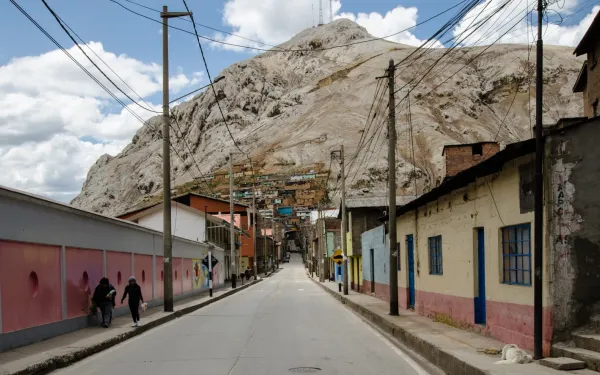
Victims in La Oroya call on the President of Peru to comply with the Inter-American Court ruling after nearly two years of delays
The group of victims recognized by the international court emphasizes the urgency of implementing the ruling on issues related to ending pollution in the city of La Oroya, providing comprehensive and specialized medical care, and paying compensation. La Oroya, Peru. Victims of decades of pollution caused by the operations of the La Oroya Metallurgical Complex sent a letter to the President of the Republic on December 19, 2025, urgently requesting compliance with the Inter-American Court of Human Rights' ruling ordering the Peruvian State to adopt comprehensive measures of justice and reparation. In the letter, part of the group of 80 victims recognized by the international court in the La Oroya v. Peru case, the group emphasizes compliance with the ruling on issues related to pollution prevention in the city, comprehensive and differentiated medical care, and the payment of compensation."Mr. President, do we have to wait another 20 years to obtain some kind of reparation? Since we began this long struggle, seven people from this group of victims have died without obtaining justice. Two of them, including a minor, died as a result of health damage caused by pollution in La Oroya, as the Inter-American Court of Human Rights confirmed in its ruling," the victims point out.Their request comes after almost two years of delays in the effective implementation of the ruling, notified on March 22, 2024, and after the Inter-American Court of Human Rights notified its interpretative judgment in November last year, in which it referred only to certain specific aspects of the original judgment that required further clarification to facilitate its execution. These points relate to health care measures, the relocation of affected persons, follow-up deadlines, compensation, and the acknowledgment of responsibility and a public apology.However, both the victims and the organizations supporting their struggle emphasize that, as established by the Inter-American Court, all orders in the original judgment are in force and fully enforceable from the moment they were issued in March 2024, with no legal impediment to immediate compliance.An essential step in achieving this is the urgent publication of the resolution determining jurisdiction by the Attorney General's Office."The victims have resorted to all legal and institutional mechanisms to access justice and see their rights restored. Today, preventing the population of La Oroya from continuing to be exposed to environmental pollution, guaranteeing comprehensive health care for those who have been affected by toxic metals, and ensuring the payment of compensation ordered by the Court are necessary and fully implementable steps for the Peruvian State to comply not only with its international obligations, but also with its fundamental duty to protect the life, health, and dignity of the people who inhabit its territory," said Rosa Peña, senior attorney at the Interamerican Association for Environmental Defense (AIDA). Christian Huaylinos, from the legal department of the Pro Human Rights Association (APRODEH), highlighted the importance of implementing the ruling throughout the country: "Several of the provisions ordered by the Court are relevant at the national level, meaning that they benefit Peruvian citizens in general in relation to pollution from mining and metallurgical activities. These include harmonizing national-level air quality regulations, guaranteeing respect for human rights and due diligence, and designing and implementing an air and water quality information system in areas of Peru with greater mining and metallurgical activity. In this regard, achieving timely and efficient compliance by the State represents the significance of the case for the benefit of all Peruvians."The victims emphasize that, given the clarifications made by the Inter-American Court in its interpretative judgment, there is no justification for the institutional delays that for more than two decades have prevented access to justice and reparation for the families affected by the pollution generated by the La Oroya Metallurgical Complex.This case has become one of the most important precedents in Latin America for protecting the rights to a healthy environment, clean air, and health, especially for communities exposed to highly polluting business operations. After more than 20 years of struggle, the victims hope that the Peruvian State will finally guarantee the justice and reparation ordered by the Inter-American Human Rights System. The victims, the population of La Oroya, and the organizations involved in the case reiterate their willingness to collaborate with the responsible institutions to ensure the effective implementation of all measures and to move toward comprehensive reparation and non-repetition.Press contactVíctor Quintanilla (Mexico), AIDA, [email protected], +521 5570522107
Read more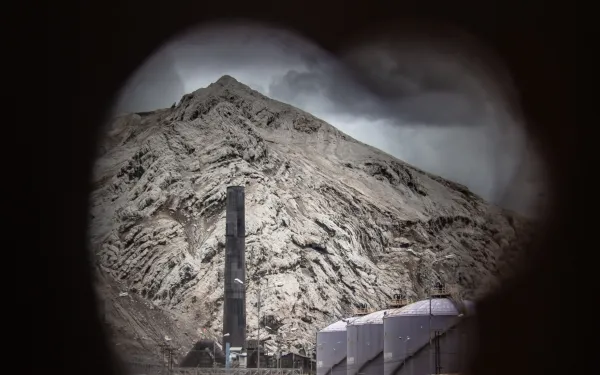
Science in the Service of Environmental Justice
By David Cañas and Mayela Sánchez* Science—or rather, the sciences—are the systems of knowledge that different social groups have developed over time to describe the phenomena of nature and society. Thanks to these knowledge systems, humanity has been able to find solutions to countless challenges, and today, more than ever, they must respond to global crises such as climate change, pollution, and biodiversity loss.Understanding ecosystem processes is essential for protecting the environment and providing verifiable, replicable evidence of natural phenomena and the impacts of human activities. It also enables the development of innovative solutions to protect and restore the environment.For science to contribute meaningfully to environmental justice—a concept centered on ensuring that all people enjoy a healthy environment—scientific work must be grounded in the realities of the people and communities affected by environmental degradation, who live in or rely on ecosystems vulnerable to harm. It must also be built on empathy and respect for other forms of knowledge, while seeking to reduce social inequalities.At AIDA, science is a central part of our work, supporting and complementing the strategic litigation we pursue to protect a healthy environment in Latin America. Through science, we can demonstrate the environmental impacts caused by human activities and hold those responsible accountable. How Do We Do Science at AIDA? The AIDA scientific team is a multidisciplinary group of professionals specializing in diverse fields, including geography, geology, biology, marine biology, oceanography, anthropology, and economics.Among other tasks, they collect and develop scientific evidence to strengthen the legal arguments in the cases we support across our various lines of work—from protecting the ocean and other critical ecosystems to defending human rights, such as the right to health and access to safe drinking water.The strategic use of science has been central to AIDA’s work since the organization was founded more than 25 years ago. One early example is the case of La Oroya in Peru, where a group of residents sued the government for failing to protect them from decades of heavy metal pollution caused by a metallurgical complex.Then we did something that had not been done before: we connected existing studies with the lived reality of La Oroya. This approach allowed us to demonstrate the relevance of the case and establish a clear link between pollution and its impact on the health of the city’s residents. Our analysis, compiled in the report La Oroya Cannot Wait, served to build the legal case and formulate proposals to the Peruvian government for corrective and preventive measures to address the problem. In 2024, in a decision that set a historic precedent for state oversight of industrial pollution, the Inter-American Court of Human Rights held the Peruvian state responsible and ordered it to adopt comprehensive reparations measures. Among the scientific team’s more recent contributions is a geospatial analysis of the Salar del Hombre Muerto in the Argentine provinces of Catamarca and Salta. Using maps and satellite imagery, the team documented water loss in this ecosystem caused by lithium mining.Another example is the expert report on solid waste pollution in the tributaries of the Motagua River in Guatemala, in which we recorded and characterized illegal dumps along the banks of the Chinautla River. This work enabled the affected communities to gather the evidence needed for the lawsuit they filed against the municipality of Chinautla for failing to address the contamination of rivers and soil caused by inadequate solid waste management. The Right to Science When science serves social and environmental justice, its benefits extend to everyone. This purpose was recently upheld by the Inter-American Court of Human Rights in its Advisory Opinion 32, which recognizes the “right to science” as the right of all people to enjoy the benefits of scientific and technological progress, as well as to have opportunities to contribute to scientific activity without discrimination.The Court also recognized indigenous, traditional, and local knowledge as equally valid forms of knowledge. This acknowledges how the deep understanding that indigenous peoples and local communities have of their environment—their worldview based on respect and interdependence, and their spiritual connection to nature—has been fundamental to ecosystem conservation.As an organization that uses science as a tool for environmental protection, we believe in a science that embodies these principles: one built on dialogue between different forms of knowledge, whose benefits reach all people, and which contributes to the socio-ecological transformation the planet urgently needs. *David Cañas is AIDA's Interim Director of Science; Mayela Sánchez is our digital community specialist.
Read more